EXECUTIVE INSIGHTS
- The Macro Shift: Beyond traditional coastal tourism, luxury real estate in Tivat is increasingly being anchored by sophisticated, climate-resilient agritourism, organic supply networks, and wellness-driven structural designs.
- The Investor Advantage: Integrating a commitment to sustainable living into high-end real estate developments secures long-term asset value and directly hedges against evolving European ESG regulations.
- The Local Micro-Economy: Proximity to artisanal cultivation networks and high-value local produce markets transforms Tivat from a seasonal destination into a sustainable, year-round luxury ecosystem.
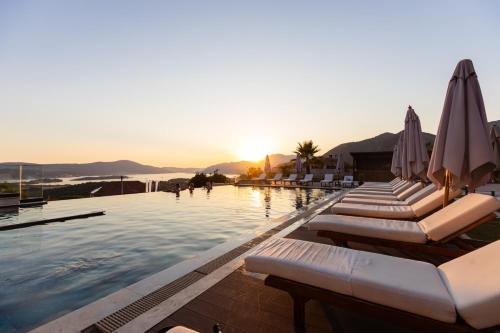
The modern luxury real estate buyer has moved past the era of pure ostentation. Today, high-net-worth capital aligns with structural sustainability, food security, and regional ecological integration. In the Adriatic basin, Tivat has rapidly transformed from a quiet naval town into a premier maritime playground, anchored by Porto Montenegro. However, the next phase of capital appreciation in Tivat real estate does not lie in building higher or denser—it lies in integrating the built environment with the surrounding Mediterranean ecosystem.
As affluent residents seek deeper connectivity to the land, savvy developers are recognizing that the intersection of luxury property management and sustainable agriculture is a powerful value driver.
1. ALIGNING REAL ESTATE VALUES WITH MEDITERRANEAN CROP TRENDS
The microclimate of the Bay of Kotor and the broader coastal strip of Montenegro offers fertile ground for high-value agricultural shifts. Traditionally centered on domestic consumption, the region is adapting to broader Mediterranean crop trends that prioritize drought-resistant, premium-yield biological assets. The structured cultivation of high-density olives, organic citrus, and premium indigenous viticulture (such as the Vranac grape) is migrating from isolated rural farms into the master plans of luxury estates.
When high-end real estate incorporates these agricultural assets—whether through dedicated private olive groves, communal vineyard shares, or master-planned edible landscapes—it creates a physical buffer that appreciates over time. Unlike traditional decorative landscaping, which acts as a permanent maintenance drain, productive agricultural integration offers tangible ecological credits, superior microclimate regulation, and localized resource management.
2. THE INFRASTRUCTURE OF SUSTAINABLE LIVING IN TIVAT REAL ESTATE
True sustainability requires a structural commitment built directly into the property’s DNA. For international investors, sustainable living Tivat real estate represents a dual-benefit architecture: it minimizes operational overhead while attracting premium tenants focused on health, longevity, and low-impact living.
Plaintext
+-------------------------------------------------------------+| SUSTAINABLE PROPERTY ECOSYSTEM || || [ Solar Array ] ---> [ Smart Grid ] ---> [ Low-Energy HVAC] || | || [ Rain Harvest] ---> [ Filtration ] ---> [ Drip Irrigation]|| | || [ Organic Biomass ] -----------------------> [ Estate Soil ] |+-------------------------------------------------------------+
To build a truly bulletproof real estate asset in the current macroeconomic climate, developments must master three core environmental pillars:
- Decentralized Resource Loops: Integrating advanced graywater reclamation and sub-surface drip irrigation to sustain both estate flora and agricultural pockets without drawing from municipal reserves.
- Microclimate Optimization: Utilizing specialized green roofs and natural thermal massing to cut cooling costs, keeping interior spaces temperate without relying solely on intensive HVAC usage.
- Supply-Chain Immediacy: Designing designated organic hubs within high-end developments, directly bridging private culinary operations with nearby regenerative micro-farms.
3. FROM ARTISANAL MARKETS TO PRIVATE BALANCE SHEETS
The ultimate luxury is immediate, untainted access. The resurgence of premium local produce Tivat markets is not merely a lifestyle trend; it is an economic indicator of a highly stable, self-contained coastal economy. Affluent buyers are willing to pay a premium for properties that sit at the intersection of wild nature and cosmopolitan infrastructure.
By positioning real estate assets in proximity to—or in direct partnership with—local artisanal agricultural hubs, developers create an exclusive lifestyle barrier that cannot be replicated by generic high-rises. It ensures that the capital invested in the property is protected by the intrinsic, non-replicable value of the land, the culture, and the premium agricultural shield of the Adriatic coast.
Eren Beycan.